





Paul C.
Hendrie
M.D., Ph.D.
Fred Hutch
825 Eastlake Ave E
Mailstop: J4-200
Seattle, WA 98109
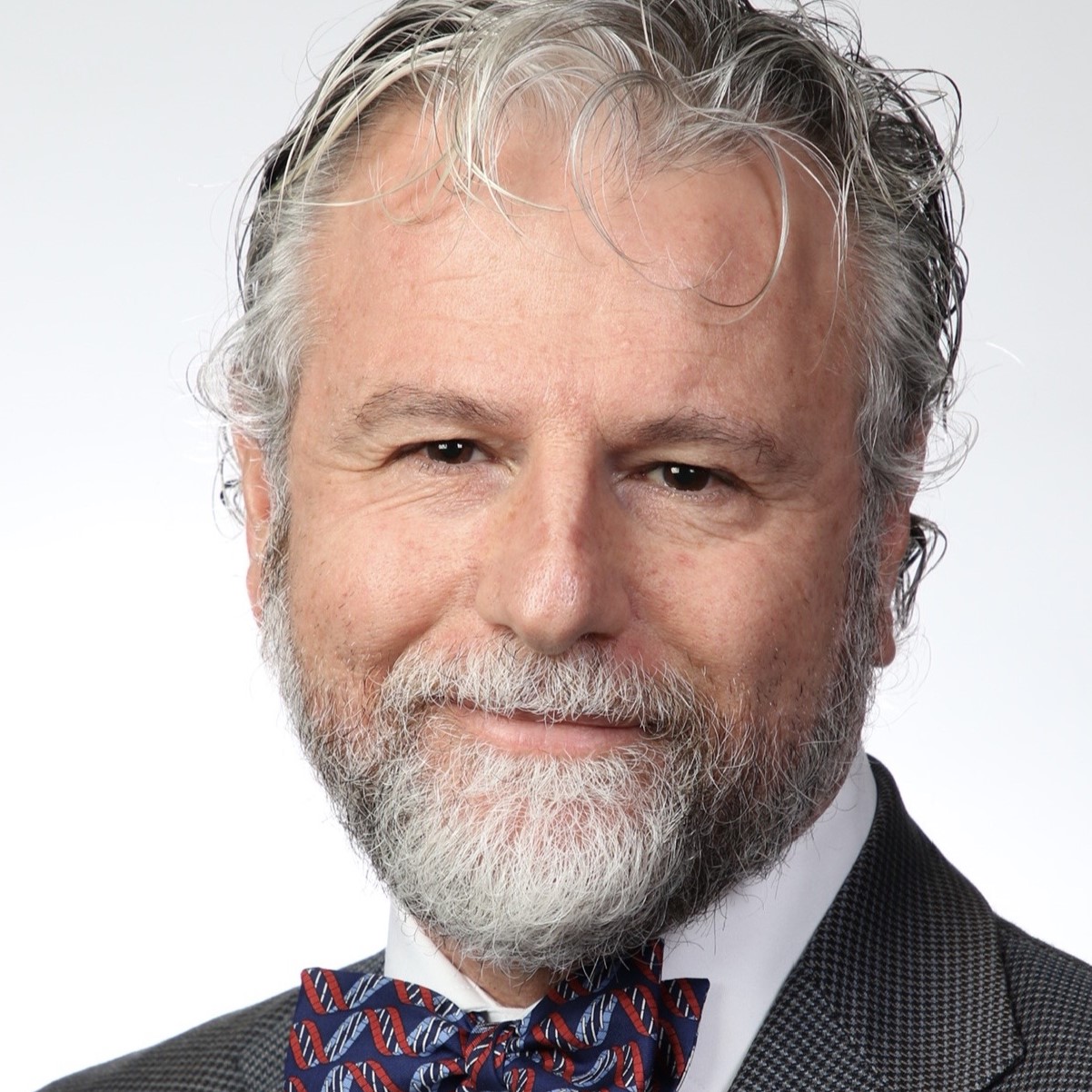
Photo: ASH
Education, Training, board certifications
- M.D., Indiana University School of Medicine
- Ph.D. Indiana University School of Medicine
- Residency, Indiana University School of Medicine
- Fellowship in Hematology, UW
- Internal Medicine, American Board of Internal Medicine
- Hematology, American Board of Internal Medicine
clinical expertise
- Acute myeloid leukemia
- Myelodysplastic syndrome
- Essential thrombocythemia
- Polycythemia vera
- Primary myelofibrosis
- Chronic myeloid leukemia
- Systemic mastocytosis
- Erdheim-Chester disease
- Langerhans cell histiocytosis
- Rosai Dorfman disease
- Hypereosinophilia
- VEXAS syndrome
- Hemophagocytic lymphohistiocytosis
affiliations
Publications
Clinical and/or research interests
Dr. Paul Hendrie is a dedicated hematologist with over 20 years of experience in the care of patients suffering from myeloid neoplasms, including acute myeloid leukemia, essential thrombocythemia, polycythemia vera, primary myelofibrosis, and systemic mastocytosis. He also possesses unique expertise in the diagnosis and management of rare conditions such as Erdheim–Chester disease, Langerhans cell histiocytosis, Rosai-Dorfman disease, and the hyperinflammatory conditions, hemophagocytic lymphohistiocytosis (HLH) and VEXAS syndrome.
Dr. Hendrie is committed to providing compassionate, patient-centered care, and he diligently seeks to confirm the precise diagnosis at the molecular level. His in-depth, investigative approach ensures that each patient receives tailored care that addresses their unique needs.
Through his dedication, expertise, and collaborations with other multidisciplinary experts including in clinical research, Dr. Hendrie continues to make an impact in the field, improving outcomes and quality of life for patients with myeloid disorders.